
You are about to visit a Philips global content page
Continue
Dec 12, 2021
By the Philips Foundation team
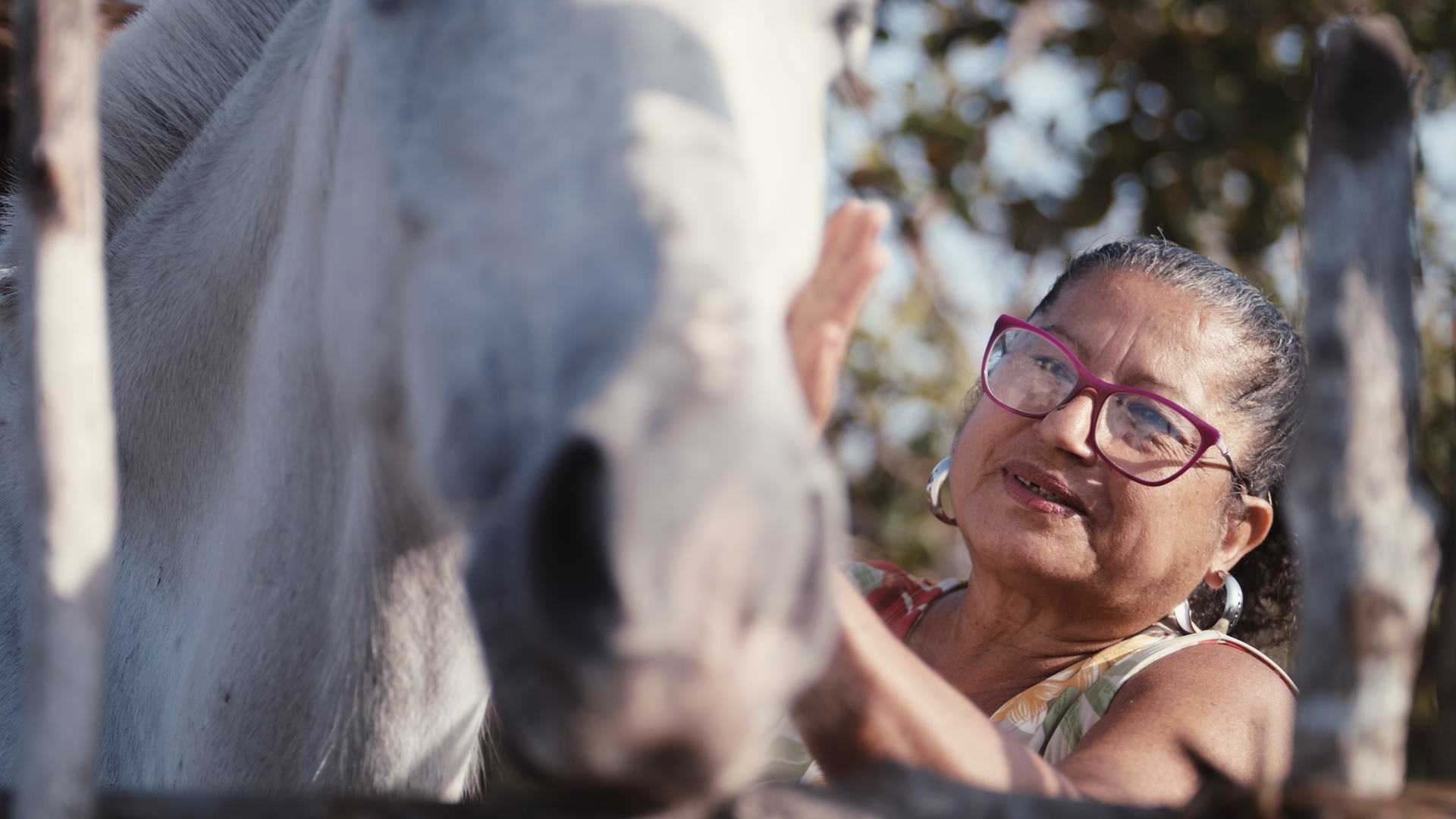
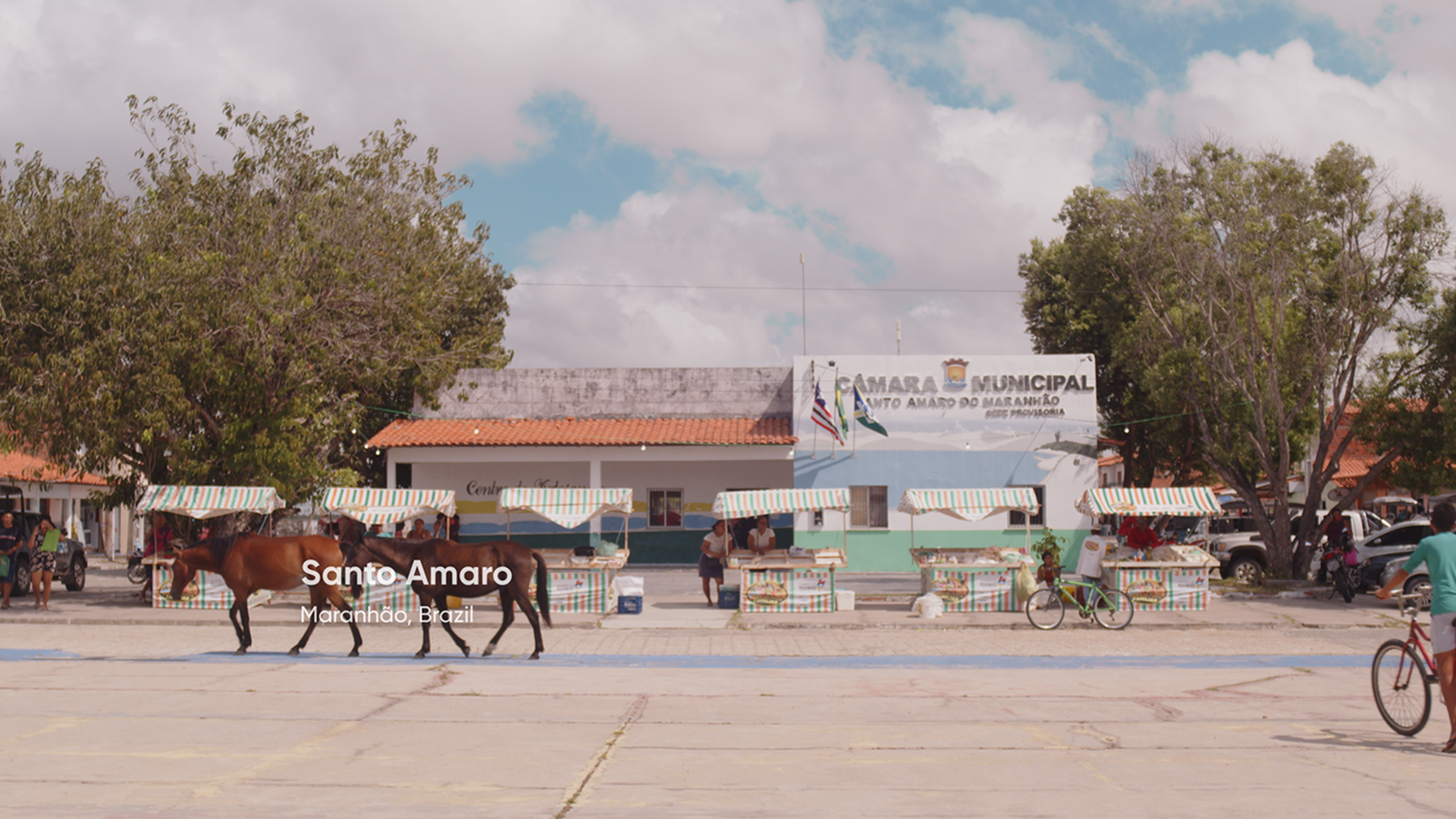
In rural Santo Amaro, Brazil, Dona Maria Neide suffers from hypertension, is diabetic, has cervical arthrosis and is at risk of a cardiac arrest. One of the greatest challenges for people like Dona Maria is their inability to get to an urban center for diagnosis. Receiving the right access to care often requires a trip to the city that not everyone can afford, certainly not on an ongoing basis. Even in some cities, doctors with the right medical specialties are not always available.
Philips Foundation takes part in Facing Forward, a series of twelve mini films hosted by the NCD Alliance and produced by BBC StoryWorks Commercial Productions, highlighting the human side of the rise of NCDs globally and bringing voices from around the world to the fore, hoping to inspire others and break down stigma and discrimination. More info at ncdalliance.org/facing-forward.
Amid a global pandemic, the international healthcare community is presented with a unique opportunity. A chance to reset, reprioritize, and reshape healthcare standards based on equality for all. 930 million people worldwide are at risk of poverty as a result of healthcare expenditure [1]. In Latin America, about 30% of the population does not have access to quality treatments, due to economic or geographic constraints. Non-communicable diseases (NCDs) such as cancer, cardiovascular disease, chronic respiratory diseases, and diabetes account for 70% of mortalities globally [2]. More than 75% of these fatalities occur in low- and middle-income countries, such as Brazil [3]. While in high-income countries, NCDs typically happen later in life. In developing countries, these severe health conditions often affect people already in their working-age, leading to financial insecurity when unable to work. Watch the short film, set in the rural town of Santa Amaro in Brazil:
In Brazil, the situation is no different. Brazil is a country of continental dimensions; the public health system works well for basic health. Yet, the system’s greatest weakness is access to specialized health. Especially in remote regions, this problem is even more accentuated as specialists are geographically located in major cities.
Introducing a Philips Foundation health-for-all short film
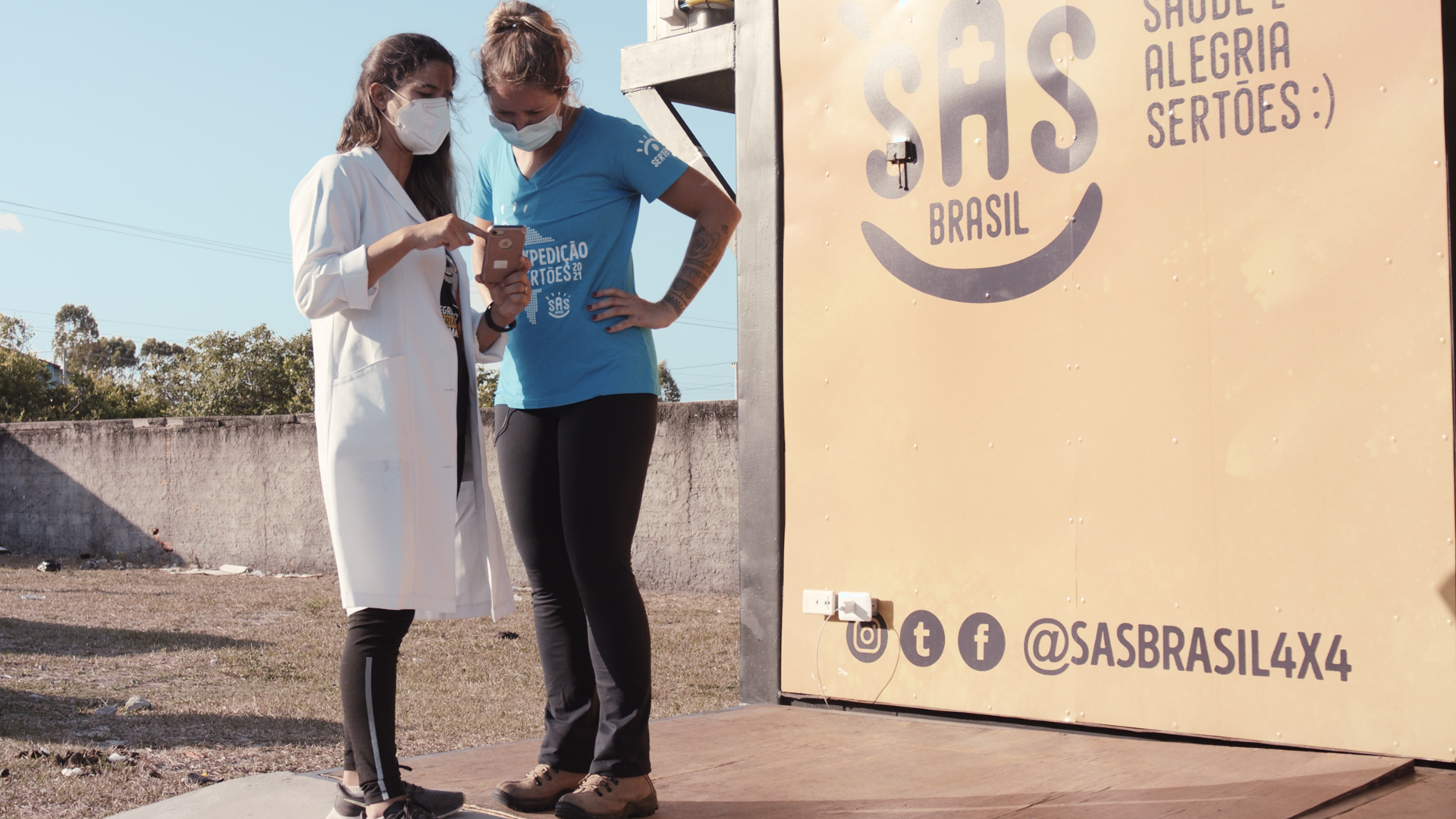
As part of the Facing Forward series, Philips Foundation is delighted to take part in a series hosted by NCD Alliance* to address the rise of NCDs in underserved communities. The series highlights the work of healthcare institutions influencing dialogue and encouraging action within communities burdened by NCDs. In this short film, Philips Foundation-partner Saúde Alegria Sustentabilidade Brasil (SAS Brasil) brings specialized health to remote regions of Brazil through technology and telemedicine.
“In the face of the ongoing pandemic, SAS Brasil has reinvented itself, creating new ways to bring specialized health to those who need it most in Brazil,” Fabia Tetteroo-Bueno, Philips General Manager for Latin America, explains. “At Philips Latin America, we believe that we can improve lives with our innovations. The digitization of healthcare is a huge breakthrough to improve access to care in our region and around the world. With this impactful partnership with Philips Foundation and SAS Brasil, the data we collect will also help us build better solutions to bring even more access to healthcare in some of the most remote areas.”
The digitization of healthcare is a huge breakthrough to improve access to care in our region and around the world. With this impactful partnership with Philips Foundation and SAS Brasil, the data we collect will also help us build better solutions to bring even more access to healthcare in some of the most remote areas
Fabia Tetteroo-Bueno
Philips General Manager for Latin America
Accessibility of care in remote communities
Virtual care is one of the best ways to ensure that patients from remote regions have access to specialist doctors. By installing virtual care units equipped with connectivity, medical equipment and computers, health professionals manage the healthcare unit, connecting the population and health professionals who will perform the consultation remotely. The population that will receive the telemedicine unit can also access doctors from their own homes if they have internet and a smartphone.
To reach hard-to-reach areas, Philips Foundation deploys digital and connected healthcare solutions to improve access to quality healthcare in low-resource areas. In collaboration with SAS Brazil and Philips Brazil, container structures are being equipped and maintained with ultrasound, electrocardiograms and software, to monitor pregnant women, for example. A Philips software solution will be part of the virtual healthcare services provided – connecting the healthcare provider via an app-based web portal to provide timely information for obstetric care, and if necessary, referring the patient to a remote doctor via virtual healthcare solutions installed in the container structure.
“With many delayed doctor’s visits, the current pandemic emphasizes the importance of raising awareness and setting a plan to address the global rise of NCDs; a reality all the more harrowing for people in low- and middle-income countries,” Margot Cooijmans, Director of the Philips Foundation, states. “Better access to medical expertise is part of the needs package throughout the world, in order to achieve universal healthcare coverage.”
Better access to medical expertise is part of the needs package throughout the world, in order to achieve universal healthcare coverage
Margot Cooijmans
Director of Philips Foundation
Together, we have the opportunity to reshape healthcare and turn the tide on NCDs. Let’s make 2022 the year we begin equaling the playing fields and investing in better access to care for all. ---
[1] WHO (2021). Primary health care key facts [2] NCD Alliance (2021). NCDs (non-communicable diseases) are the #1 cause of death and disability worldwide [3] WHO (2021). Non-communicable diseases
June 16, 2026
April 24, 2026
March 10, 2026
January 28, 2026
December 11, 2025


